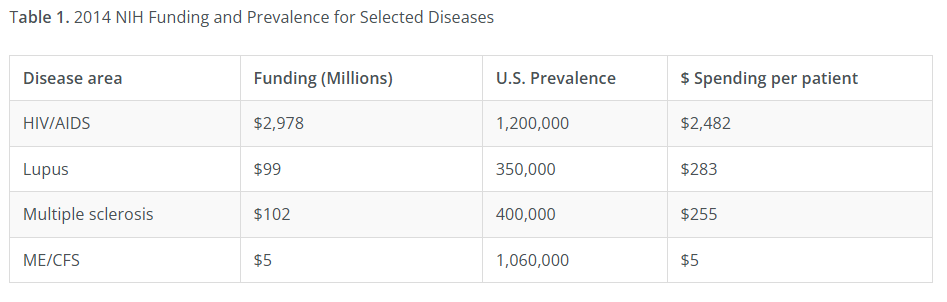
Image/table above is from this research study
Myalgic Encephalomyelitis/Chronic Fatigue Syndrome (ME/CFS) is a debilitating chronic neurological disease affecting an estimated 1.25 million people in the UK. Characterised by post-exertional malaise (a worsening of symptoms after even minimal activity), unrefreshing sleep, profound exhaustion, and cognitive dysfunction, ME/CFS severely impacts every aspect of a person’s life. We can look to the Disability-Adjusted Life Year, or DALY, score to truly understand the immense burden this illness places on individuals and the wider society.
The DALY is an important metric used by the World Health Organization (WHO) and researchers worldwide to quantify the burden of disease. It combines two crucial factors:
- Years of Life Lost (YLL): This measures the number of years lost due to premature death caused by the condition.
- Years Lived with Disability (YLD): This estimates the number of years lived with a disability, weighted by its severity. One DALY represents the loss of one year of full health.
While the WHO does not have a specific global DALY score solely for ME/CFS, individual research efforts, particularly in the US, have provided alarming insights into the disease’s impact. These studies have estimated the DALY for ME/CFS to be comparable to or even higher than that of other serious chronic diseases like HIV/AIDS and a significant proportion of the burden of breast cancer. This high DALY score reflects the profound disability and reduced quality of life experienced by individuals with ME/CFS, even if it doesn’t always lead to premature death.
While comprehensive UK-specific DALY studies for ME/CFS are lacking, the existing evidence strongly suggests a similarly substantial burden. The sheer number of affected individuals, coupled with the severe and often long-lasting nature of their symptoms, points towards a significant loss of healthy life years in the UK population. This high disease burden, as indicated by the DALY concept, stands in stark contrast to the shockingly low levels of research funding allocated to ME/CFS in the UK. For years, ME/CFS research has been chronically underfunded compared to other conditions with similar or even lower DALY scores. This disparity is a clear reflection of the neglect, both historic and contemporary, and lack of recognition this disease has faced within the medical and scientific communities.
The consequences of this neglect are far-reaching. One of the most damaging is the widespread lack of understanding and education about ME/CFS among healthcare professionals in the UK. This lack of knowledge leads to:
- Diagnostic delays: Patients often face years of struggling to get a diagnosis, being dismissed, or misdiagnosed with psychological conditions. This delay can exacerbate their illness and prevent them from accessing appropriate management strategies.
- Inadequate management and care: Without proper education, doctors may offer ineffective or even harmful advice, such as pushing patients to ‘push through’ their symptoms, which can lead to severe deterioration and long-term worsening of their condition (post-exertional malaise).
- Stigma and disbelief: Many healthcare professionals still hold outdated or misinformed views about ME/CFS, contributing to the stigma and disbelief that patients often face from their families, friends, and employers.
- Lack of access to specialist services: The lack of M.E./C.F.S. specialists in the NHS means that many patients have limited (a handful of private specialists exist) or no access to expert care and support.
In the face of such significant disease burden, as highlighted by the DALY concept, the urgent need for comprehensive education of healthcare professionals in the UK cannot be overstated. This education must cover:
- Accurate diagnostic criteria: Ensuring professionals can correctly identify M.E./C.F.S. based on current, internationally recognised criteria.
- The pathophysiology of the disease: Understanding the biological basis of M.E./C.F.S., moving away from outdated psychological explanations.
- Effective management strategies: Learning about pacing, symptom management, and other approaches that can help patients improve their quality of life without exacerbating their symptoms.
- The lived experience of patients: Recognising the profound impact of M.E./C.F.S. on individuals’ daily lives and validating their experiences.
As we have said many times since 2018, it’s time for change.
The DALY score, even in the absence of specific UK figures, serves as a stark reminder of the significant health burden imposed by M.E./C.F.S. The chronic underfunding of research and the widespread lack of academic professional education in the UK are unacceptable in the face of this reality. Addressing this neglect through increased research investment and a nationwide effort to educate all healthcare professionals, not solely those who make clinical diagnoses, is not just a matter of good healthcare; it is a matter of justice and a crucial step towards alleviating the immense suffering of hundreds of thousands of people living with ME/CFS in the UK. Only through increased levels of dedicated research and a well-informed medical community can we hope to improve the lives of those affected by this devastating illness.